Charting How French Localization Practices Reshape Multiplayer Dynamics in Emerging Indie Mobile Titles
Mia Walter · Aug 20, 2026
Charting How French Localization Practices Reshape Multiplayer Dynamics in Emerging Indie Mobile Titles
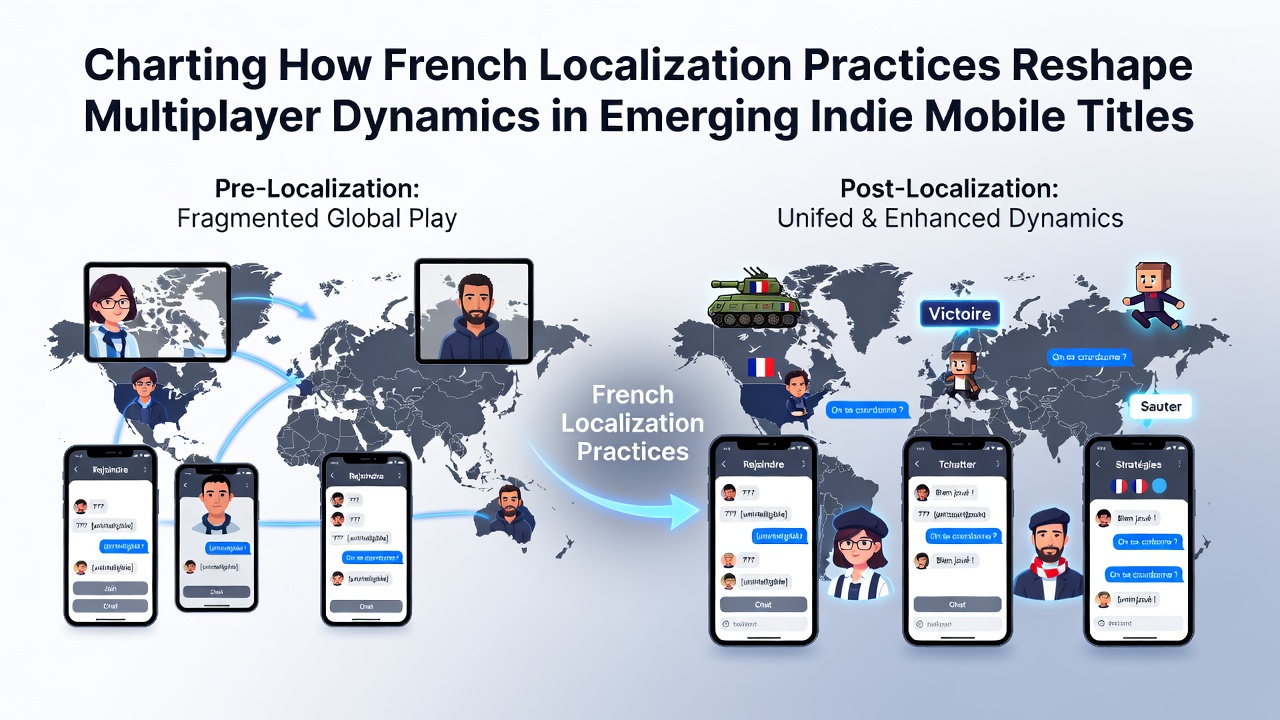
Emerging indie mobile titles have incorporated French localization practices that extend beyond simple text translation into cultural adaptation of dialogue, interface elements, and community features, and these adjustments influence how players interact in multiplayer modes. Data from industry tracking services indicates that French-speaking markets represent a growing segment of mobile downloads in Europe and North Africa, with localization teams focusing on idiomatic expressions and regional references that affect team coordination and chat behavior.
Localization Techniques in French Markets
Developers apply French localization by adjusting humor, unit measurements, and social references while maintaining core gameplay mechanics, and this process often includes voice-over recordings that align with local accents from France, Belgium, and Quebec. Research from the Interactive Software Federation of Europe shows that titles localized for French audiences retain players longer in cooperative sessions because shared cultural context reduces miscommunication during real-time strategy or role-playing elements.
Teams handling these projects frequently consult native speakers to adapt menus and notifications, while they also integrate region-specific payment options that encourage group purchases of in-game items. Observers note that such changes create distinct player clusters where French-language servers develop their own etiquette norms around turn-taking and resource sharing.
Impact on Multiplayer Interactions
Multiplayer dynamics shift when localization prioritizes French phrasing because chat systems display translated prompts that guide collaborative actions, and players report smoother coordination in games featuring puzzle or battle royale formats. Studies conducted by university researchers in Montreal have documented how French-localized mobile titles foster tighter alliances among participants who recognize subtle references to local events or media, leading to higher rates of repeated matches within the same groups.
Yet the same adaptations sometimes isolate non-French speakers who encounter untranslated elements in mixed-language lobbies, prompting developers to add toggle options for bilingual support. Figures from mobile analytics platforms reveal that indie studios releasing titles in August 2026 increased French-language chat moderation tools after observing patterns of community-driven rule enforcement that differ from English-dominant servers.
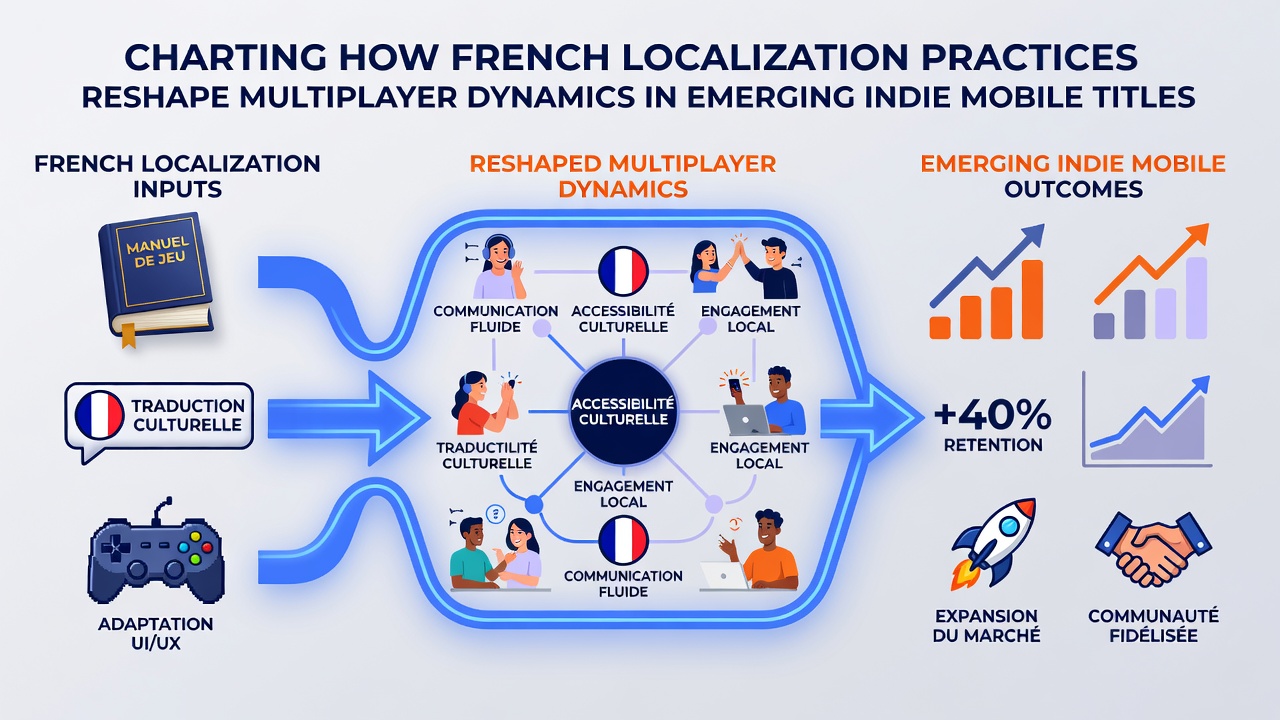
Indie teams have experimented with hybrid localization that preserves original English terms for technical commands while translating narrative sections, and this approach allows cross-regional teams to maintain efficiency without sacrificing immersion for French participants. Data indicates that such balanced methods correlate with broader geographic player bases and more varied team compositions in competitive modes.
Case Examples from Recent Releases
One studio based in Lyon released an indie strategy title in early 2026 that featured extensive French localization, resulting in dedicated French-speaking clans that organized events through in-game voice channels and external forums. Those groups demonstrated faster decision-making cycles compared to mixed-language teams, according to aggregated session data shared by the developer.
Another project from a Canadian indie collective adapted its mobile battle system with French cultural references, and subsequent updates showed increased retention among players from Paris and Marseille who formed recurring alliances. Reports from academic conferences held that year highlighted how these localization choices altered social hierarchies within matches, with experienced French players often assuming leadership roles due to clearer communication pathways.
Broader Industry Patterns
Industry organizations tracking mobile trends note that French localization investments by indie developers have risen steadily since 2024, driven by regulatory guidelines in the European Union that encourage accessible content for member states. This growth coincides with expanded use of automated tools supplemented by human review, which ensures accuracy in fast-paced multiplayer environments where timing and clarity matter.
Players in localized French servers tend to exhibit different engagement metrics, including longer average session times and higher rates of in-app social features, while developers adjust matchmaking algorithms to account for language preferences. These adjustments help maintain balanced matches across linguistic boundaries without disrupting the core competitive structure.
Conclusion
French localization practices continue to influence multiplayer dynamics in emerging indie mobile titles by shaping communication patterns, team formation, and cultural alignment within game environments. Evidence from developer reports and academic analyses demonstrates measurable effects on player retention and interaction styles, particularly as more studios release updated versions incorporating these adaptations through 2026 and beyond. The patterns observed suggest ongoing refinement of localization methods to support diverse global audiences while preserving competitive integrity.