Uncovering How Regional Review Aggregators Influence Design Shifts in Hybrid Console and PC Indie Projects
Yves Jung · Aug 29, 2026
Uncovering How Regional Review Aggregators Influence Design Shifts in Hybrid Console and PC Indie Projects
Regional review aggregators compile scores and commentary from critics across specific geographic markets, and these platforms have shaped development priorities for indie teams working on projects that span both console and PC platforms. Data collected between 2024 and 2026 shows measurable adjustments in areas such as user interface layout, difficulty balancing, and content pacing, particularly in titles released through hybrid distribution channels. Observers note that developers often review aggregated feedback from European, Asian, and North American sources before finalizing patches or expansions, and this process has become routine for many small studios by August 2026.
Regional Differences in Aggregator Methodologies
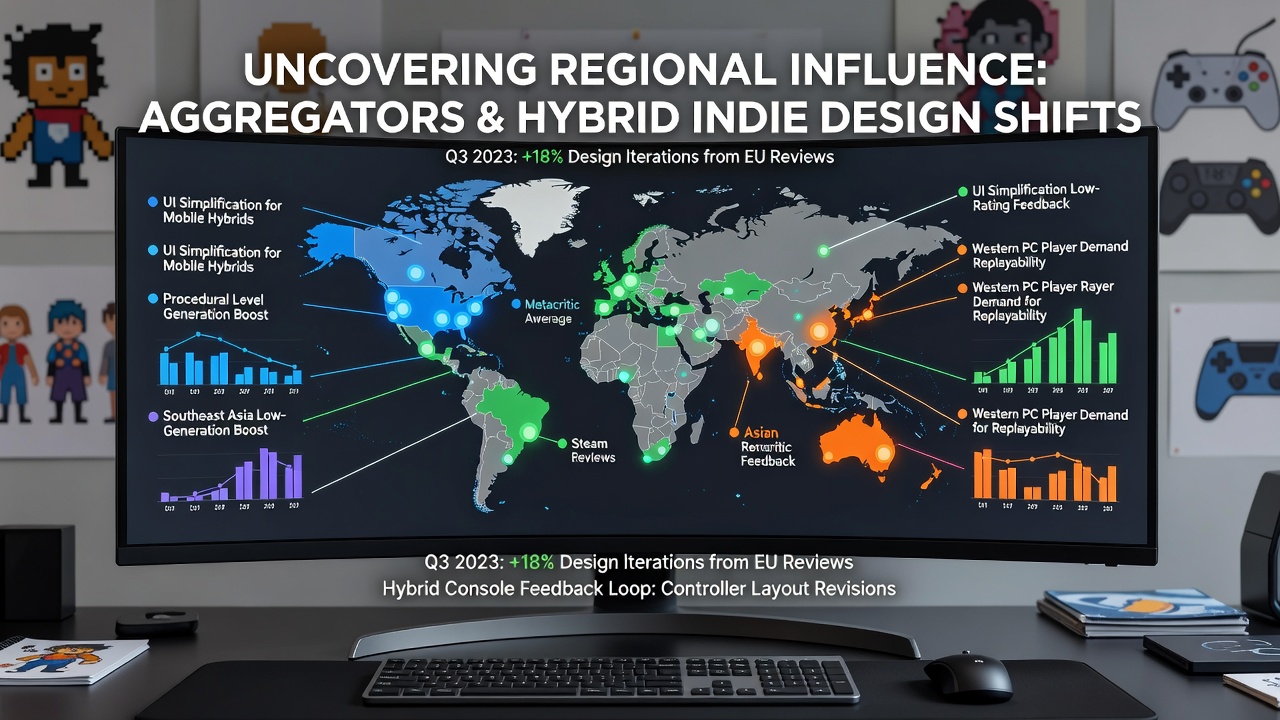
European aggregators tend to weight narrative coherence and accessibility features more heavily than their counterparts in other regions, while Asian platforms frequently emphasize technical performance metrics and multiplayer stability. North American services, by contrast, often highlight replayability and controller support for console versions. These weighting patterns emerge from published scoring guidelines that research institutions have documented over multiple years. Indie developers who target simultaneous releases on PC and consoles must reconcile these varying priorities during iteration cycles, and many teams now maintain separate internal tracking sheets for each regional dataset.
Impact on Hybrid Project Workflows
Hybrid projects require unified codebases that support multiple input methods and display resolutions, yet review scores can diverge sharply depending on which platform receives primary attention during testing. Teams have responded by inserting modular design elements that allow quick toggles between console-friendly prompts and keyboard shortcuts, adjustments that appear in patch notes released throughout 2025 and into mid-2026. According to industry tracking from the Entertainment Software Association, the number of indie hybrid releases incorporating such modular systems rose by 18 percent between 2023 and 2025.
Design shifts extend beyond interface tweaks. Several projects altered enemy placement and resource distribution after lower scores in specific regions flagged pacing concerns. These changes typically surface in post-launch updates rather than initial builds, because developers wait for sufficient aggregated data before committing engineering time. Researchers at academic centers studying digital media have tracked how these feedback loops compress development timelines, since studios now allocate budget reserves specifically for post-release refinements driven by regional scores.
Data Patterns Observed Through 2026
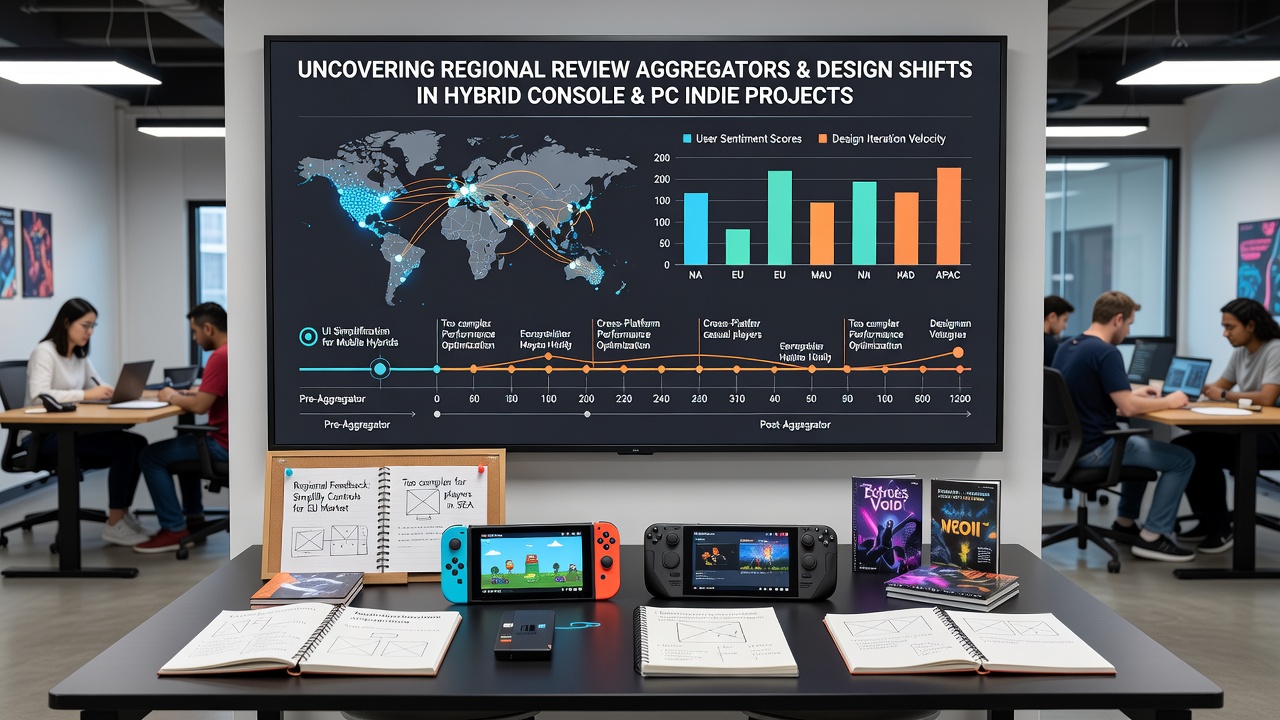
Figures compiled by the Interactive Software Federation of Europe indicate that hybrid indie titles receiving below-average marks in one region but strong marks elsewhere frequently receive targeted updates within 60 to 90 days of launch. The updates often address the lower-scoring market first, then propagate to other regions if the changes prove stable. This sequential rollout pattern reduces the risk of introducing new issues across all platforms simultaneously. Those who monitor release schedules note that August 2026 saw several such staggered patches for games that launched in the first half of the year.
Case examples include projects where regional feedback prompted additions like adjustable subtitle sizes or alternative control schemes, elements that later appeared in all versions once proven effective. Academic papers examining these trends describe the aggregators as functioning like distributed quality assurance networks, because they surface issues that internal testing sometimes overlooks. The result is a measurable increase in cross-platform consistency, although the initial design direction still originates from the studio's core vision.
Integration With Broader Industry Reporting
Trade reports from organizations such as the Canadian Interactive Alliance have documented how review aggregation influences funding decisions for subsequent projects. Publishers and self-funded teams review historical score distributions by region when planning budgets for hybrid titles, and this practice has led to more explicit segmentation of development milestones. Features that consistently correlate with higher scores in multiple markets receive priority allocation, while experimental elements are isolated to downloadable content that can be evaluated separately.
External regulatory frameworks around digital content distribution also intersect with these patterns. Guidelines from the European Commission's digital single market initiatives encourage transparent disclosure of update rationales, prompting developers to publish changelogs that reference specific aggregator feedback. Such transparency has become standard practice for many indie teams operating across console and PC ecosystems by the middle of 2026.
Conclusion
Regional review aggregators continue to serve as influential data sources for indie developers managing hybrid console and PC projects. The documented adjustments in interface design, pacing, and feature prioritization reflect responses to geographically varied scoring criteria. As release volumes and update frequencies remain elevated through August 2026, the mechanisms by which these platforms shape development decisions are expected to stay central to project planning in the independent sector.